Design - Hidrea

Design:
the creative, technical and scientific heart of a company

Design is the creative, technical and scientific heart of a company: this is where ideas are born and the ability to innovate takes shape.

The real challenge lies in transforming dynamic and complex processes into solutions that comply with rigorous standards, such as ISO 13485.
In short, it is essential to:

  • ensure project coordination, including its documentation, despite the often nonlinear progress of activities;
  • effectively manage controls and changes throughout the entire development process, since design management is a fundamental requirement for developing safe, functional medical devices that meet regulatory requirements.

Medical device design includes research, prototyping, laboratory testing, clinical investigations and regulatory certifications (such as CE marking), and therefore requires a balance between innovation, effectiveness and regulatory compliance.

The European regulatory framework (MDR, IVDR, AI Act and EHDS) imposes increasingly rigorous standards in terms of quality, safety, risk management and post-market surveillance.
The new challenges concern medical software in particular and its integration with innovative healthcare data management systems.
Our production fully complies with current standards and regulations: our devices are CE 0051 certified by IMQ and our ISO 9001 procedures by RINA.

Solutions: every thermal spa facility is unique

Our IMT19 Medical Device is a configurable modular system.

Logistical and system solutions are developed according to the customer's specific needs and the available medical spaces, with the aim of installing a defined number of treatment stations and the corresponding types of therapy to deliver the therapeutic action required by the thermal spa specialist.
The modular structure simplifies installation, inspection and maintenance while reducing system and building-work costs.

  • type of therapy;
  • combination of two or three different therapies at each treatment station;
  • construction of a treatment-station module on one side (positioned against a wall) or on two sides (positioned in the center of the room);
  • number of modules making up the complete system;
  • therapy management system (manual or automatic);
  • different levels of computerization: from manual operation to fully automated management interfaced with the thermal spa facility's management systems.
  • option to rinse with drinking water and/or automatically sanitize the thermal-water distribution circuit, from the inlet shut-off valve to the point of use.

These criteria make it possible to create CE-certified thermal inhalation departments whose versatility meets the needs of thermal spa operators and, consequently, their customers.

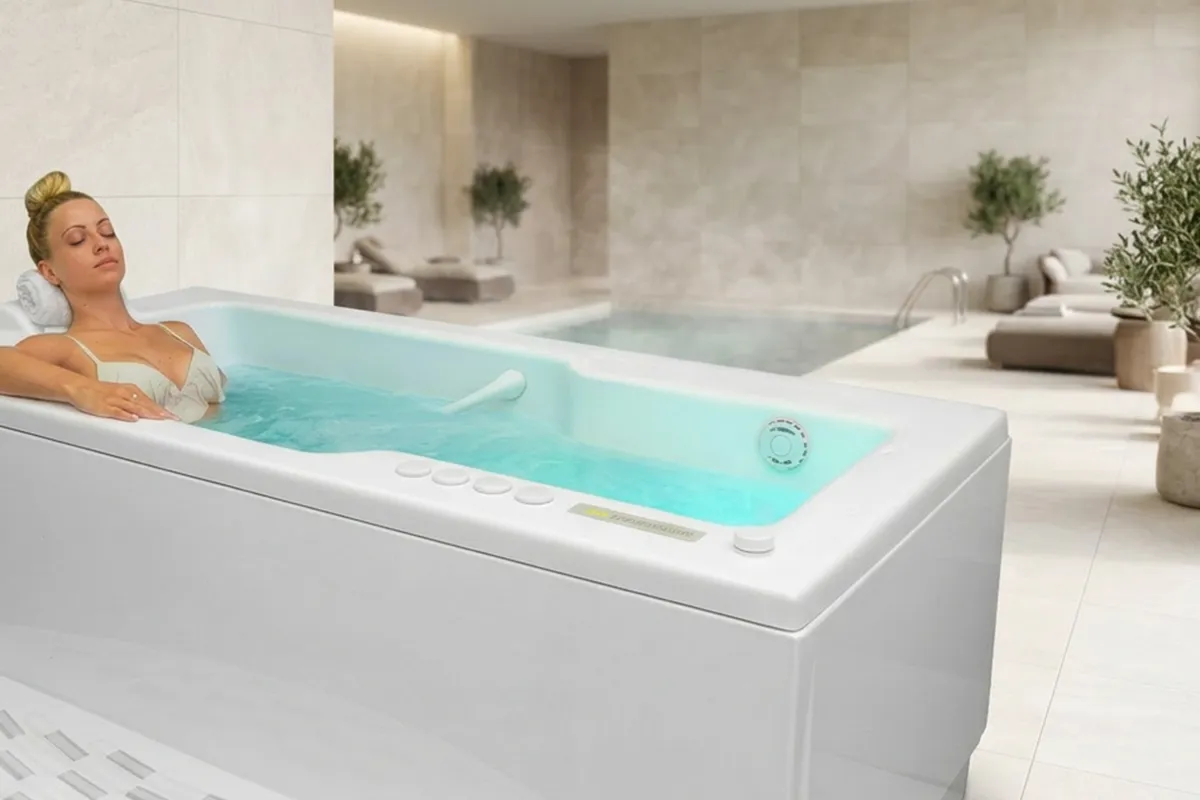
For balneotherapy, Hidrea has likewise developed a suitable solution that makes this type of thermal therapy accessible to everyone.

Our balneotherapy tubs are also medical devices and have been designed to provide thermal-water baths in complete safety and comfort, while ensuring full accessibility for people with disabilities and reduced mobility.

The tubs are highly customizable according to the needs of the customer and patient.
The main configuration options include:

  • Type of treatment: choice of a simple bath, aerated bath or hydromassage (which can also be combined), with optional ozone therapy or chromotherapy.
  • Ergonomics and installation: controls can be positioned on the right or left to suit the available space.
  • Functional accessories: option to add a thermostatic mixer (for precise temperature control) and a hand shower for rinsing the patient and cleaning the tub.
Tailored projects
for every context

A thermal spa department project consists of a set of clearly distinct factors.

A fundamental element is understanding the type of thermal water used by the thermal spa operator, allowing us to determine which treatments can be performed with it.
It is therefore essential to analyze the authorizations contained in the ministerial decree obtained by the customer, which specify the treatments that may be provided.
The characteristics of the thermal water also indicate how aggressive it is toward materials and therefore guide the technical choices required to protect the inhalation modules.
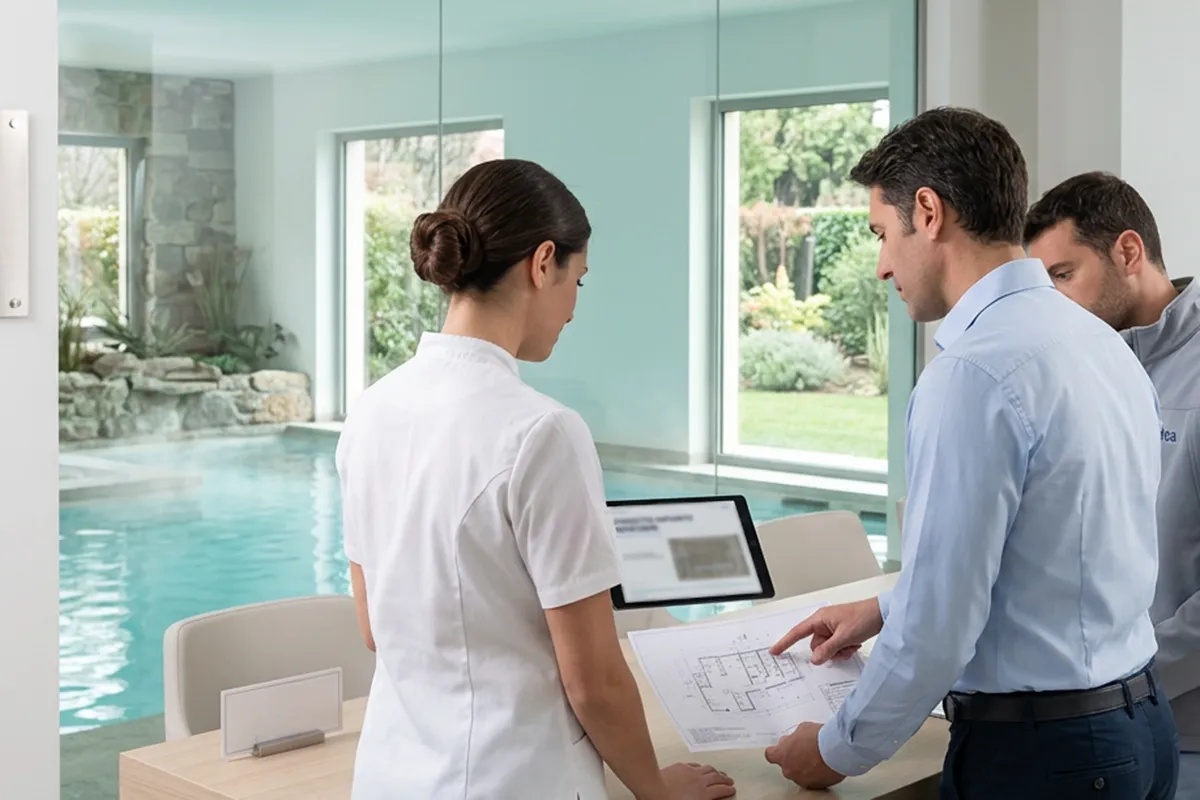
The second step is to analyze the spaces made available by the customer through inspections and interviews concerning architectural, system and healthcare aspects.

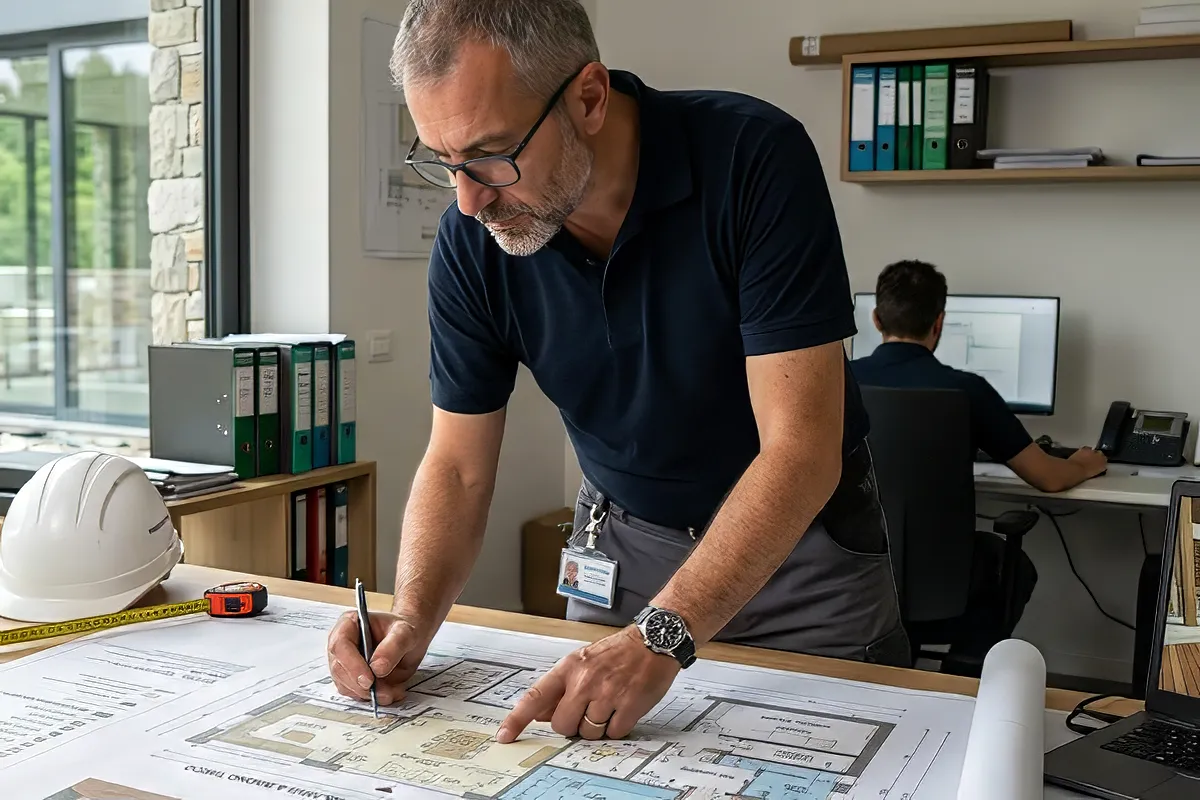
Following this analysis, it is important to prepare a 2D CAD floor plan, possibly using DWG files of the premises supplied by the customer, showing the distribution of the various inhalation modules and the treatments provided at each station.
This first highlights how usable the spaces are when patients and operators are present, the sections where certain treatments are provided (e.g. inhalation and thermal aerosol) and those where other treatments are delivered (e.g. humage/Politzer and nasal irrigation).
In short, Hidrea's design process integrates space organization with an analysis of technical requirements (energy, water and IT) to deliver certified, tailored system solutions.

Our ultimate goal is to ensure safe, inclusive and professional thermal treatments, placing patient well-being and regulatory reliability at the center.